Professional Electric Specialist Solutions for All Needs
Skilled electrical professionals deliver specialized services that handle a wide variety of requirements in residential and commercial sectors. These specialists guarantee compliance with safety regulations and boost operational efficiency. From implementation to energy management, their knowledge is vital for minimizing risks and preventing costly errors. Comprehending the nuances of local regulations reinforces their importance. Yet, navigating the selection and engagement procedure can be complex, raising important inquiries about how to select the suitable contractor for your specific needs.
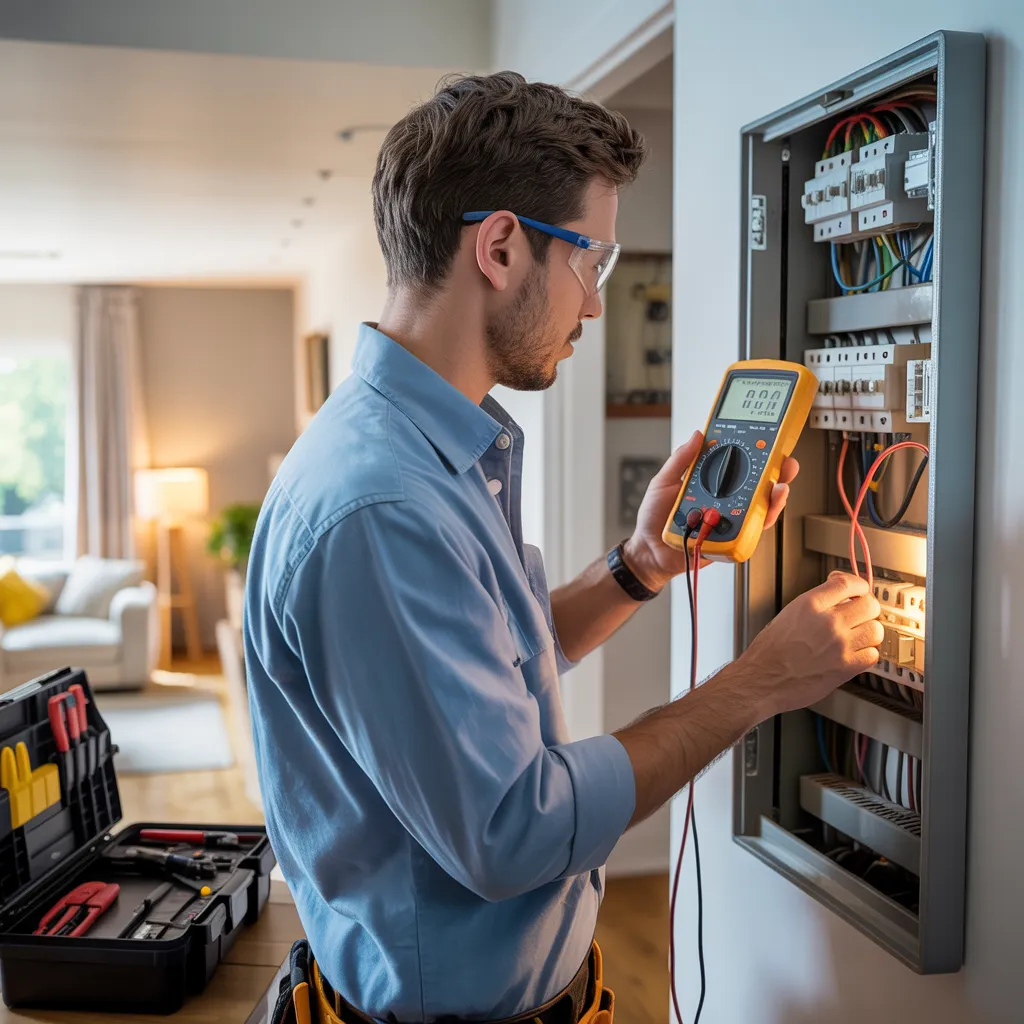
Why Choosing a Experienced Electrical Contractor Is Necessary
Employing a qualified electrician professional can greatly impact the safety and effectiveness of a property's electrical system. These professionals possess the necessary training and knowledge to guarantee that all electrical work complies with local codes and regulations. This adherence minimizes the risk of hazards such as electrical fires, shock, and equipment failure. Additionally, a capable contractor can accurately assess the detailed electrical needs of a facility, providing tailored solutions that strengthen efficiency and performance.
In addition to safety, bringing in a professional can sidestep costly mishaps that regularly stem from DIY endeavors or hiring unqualified technicians. Their competence facilitates efficient project completion while upholding quality. Additionally, a established contractor regularly provides protection plans and warranties, supplying peace of mind to homeowners. At the end of the day, the decision to retain a certified electrical contractor is not just about convenience; it is an investment in the long-term reliability and safety of a home's electrical network.
Popular Electrical Services Given by Contractors
A full spectrum of electrical services is usually furnished by contractors to meet varied customer needs. These services involve residential wiring, where workers install and maintain electrical systems in homes, ensuring protection and compliance with local codes. Trade electrical services covers assembly and remediation in commercial venues, focusing on energy-efficient practices and reliable operation.
Additionally, skilled technicians offer illumination setup and improvements, enhancing both visual appeal and performance in multiple locations. They also specialize in diagnosing and repairing power system issues, addressing problems like flickering lights or electrical surges.
In addition, operational efficiency reviews are carried out to benefit customers lower power consumption and cut utility costs. Contractors regularly deliver help with the addition of smart home systems, leveraging advanced systems for better regulation and household convenience. To conclude, emergency electrical services are supplied to address critical situations, ensuring that consumers receive expedited help when needed.
Assessing Electrical Contractor Credentials
Checking the credentials of an electrical contractor is fundamental for confirming quality and safety in electrical work. Crucial considerations involve the necessary licensing and certifications, complete insurance and liability coverage, and an established record of experience. These elements collectively provide a foundation for appraising the contractor's reliability and professionalism.
Licenses and Certifications Obligatory
Licensing and certifications act as significant indicators of an electrical contractor's qualifications and conformance to industry standards. Every region has particular licensing requirements that contractors must meet, often including a mix of education, training, and experience. Certifications from recognized organizations further validate a contractor's specialty in areas like residential, commercial, or industrial electrical work. These credentials not only guarantee compliance with local regulations but also show a commitment to safety and professionalism. Clients should verify these credentials before hiring, since licensed contractors are generally more well-informed about current codes and best practices. Ultimately, appropriate licensing and certifications enhance consumer confidence and help with the successful completion of electrical projects.
Protection And Liability Protection
Insurance and liability coverage play important roles when evaluating the qualifications of an electrical contractor. These measures ensure that both the contractor and the client are protected from possible accidents. A qualified electrical contractor should hold general liability insurance, which covers property damage or injuries that could occur during the project. Additionally, workers' compensation insurance is vital, as it covers workplace injuries learn now sustained by employees. Clients should confirm that the contractor’s insurance is current and adequate to cover the scope of work. This not only reduces financial risk but also highlights the contractor's commitment to professionalism and safety. Ultimately, comprehensive insurance and liability coverage serve as indicators of a dependable and trustworthy electrical contractor.
Experience and Results
Experience functions as a cornerstone in assessing the qualifications of an electrical professional. A contractor's track record of finished work demonstrates their capacity to manage various electrical tasks, extending from residential projects to sophisticated commercial installations. Potential clients should inspect the contractor's portfolio, looking for completed jobs that match their particular needs. Moreover, time in the industry often correspond to a greater knowledge of regulatory requirements and safety standards. Client testimonials and reviews can provide insights into dependability and customer satisfaction. Certifications and licenses substantiate a contractor's expertise, displaying ongoing education and adherence to industry standards. Ultimately, a strong track record facilitates informed selection, ensuring clients select a contractor able of delivering quality work consistently.
The Importance of Electrical Contractors in Home Renovations
In the intricate interplay of home renovations, electrical firms serve a vital role, confirming that every wiring and lighting decision enhances both safety and style. Their expertise is necessary in organizing and executing electrical plans that comply with building codes and regulations. From setting up energy-efficient lighting to purposefully placing outlets, these professionals guarantee functionality and convenience throughout the home.
In addition, electrical experts review present systems, identifying necessary upgrades or repairs that improve overall energy performance. This not only reduces utility costs but also contributes to a sustainable home setting. They partner closely with fellow tradespeople, aligning their activities with plumbing, carpentry, and design aspects to formulate a cohesive renovation blueprint.
Finally, the engagement of skilled electricians is fundamental for making a house into a safe, stylish, and modern home, underscoring their relevance in any successful renovation project.
Electrical Contractor Options for Commercial Spaces
Regarding commercial spaces, electrical contractors are vital contributors in setting up reliable electrical systems and energy management frameworks. These solutions not only strengthen operational effectiveness but also create cost savings over time. By emphasizing modern electrical strategies, businesses can optimize their energy consumption and enhance overall functionality.
Efficient Wiring Setups
Efficient wiring installations are crucial for maximizing performance and security in commercial spaces. A well-planned wiring system improves electrical performance while minimizing the risk of hazards. Expert electrical contractors evaluate the unique needs of each facility, ensuring that wiring is customized to support various applications, from lighting to heavy machinery. By utilizing high-quality materials and adhering to industry standards, they reduce maintenance issues and extend the lifespan of electrical systems. In addition, effective wiring designs facilitate future upgrades and expansions, allowing businesses to adapt to evolving technological demands. Ultimately, investing in efficient wiring systems not only enhances operational efficiency but also contributes to a safer working environment, promoting overall productivity and peace of mind for both employers and employees.
Efficient Energy Handling Solutions
Refining power arrangements transcends efficient wiring installations; it embraces the establishment of energy management systems that enhance energy efficiency in commercial spaces. EMS solutions furnish real-time monitoring and direction of power consumption patterns, facilitating firms to pinpoint usage patterns and decrease waste. By merging advanced technologies, like smart meters and automated controls, EMS can markedly diminish overhead expenses while backing environmental stewardship. Electrical contractors remain critical for planning and executing these structures, ensuring they fulfill particular business demands. With bespoke EMS solutions, businesses can accomplish improved power performance, observe regulations, and maximize their comprehensive operational results. Embracing an EMS not only strengthens the financial standing but equally promotes a cleaner environment.
How to Communicate Your Project Needs With Construction Professionals
It is critical to clearly articulate project needs when collaborating with electrical contractors. Clients should begin by outlining the project scope, pinpointing the type of work required, whether it's new installations, upgrades, or repairs. Providing thorough descriptions helps contractors perceive expectations and necessary resources.
Furthermore, customers should share their financial parameters and project deadlines. Disclosing these parameters enables contractors to offer feasible options and schedules. It is also helpful to explore any specific preferences for components or tools, along with any pertinent health or legal requirements.
Visual aids, including graphs or photos, can further enhance grasp. Encouraging transparent discussion creates a partnership-based atmosphere, allowing contractors to ask explanatory questions and suggest different solutions. Lastly, establishing a central contact ensures clear communication throughout the project. By following these guidelines, clients can effectively share their needs, resulting in positive project outcomes.
What You Should Know About the Electrical Project Process
What could someone expect during the electrical service process? Initially, the electrician will conduct an assessment of the project requirements, addressing the scope and any specific concerns. After this, they will deliver a comprehensive estimate, outlining expenses and schedules. When the contract is in effect, the contractor will schedule the job and obtain any necessary permits.
Throughout the actual work, you can expect clear communication about progress and possible interruptions. The contractor will ensure that safety measures are followed, minimizing hazards to both workers and residents. As the project progresses, inspections may occur to verify compliance with local codes.
Once the project is finished, the contractor will conduct a final walkthrough, addressing any issues and ensuring all systems function correctly. Finally, they will supply documentation, including warranties and upkeep tips, ensuring that the homeowner is well-informed about their new electrical installations. This comprehensive process intends to provide reliable and efficient electrical solutions.
Frequently Inquired Questions
What Costs the Average Price of Hiring an Electric Contractor?
Typical costs for engaging an electrical contractor typically range between $50 to $100 per hour, contingent on the job's difficulty and geographic location. Flat fees for certain tasks might be available, varying substantially.
What Duration Is Required for Common Electrical Work Completion?
Typical electrical work take varying amounts of time, often spanning from a few hours up to several days, determined by the project's complexity. Key factors including the installation style, how the existing wiring is configured, and contractor efficiency significantly impact the time required for completion.
Do All States Require Licenses for Electrical Professionals?
Electrical contractors are generally obligated to be registered in most states, ensuring they meet defined knowledge and practical standards. However, licensing requirements can fluctuate, so it's important to investigate local regulations for reliable information.
Can I do Any Electrical Work myself?
Homeowners can undertake some basic electrical projects themselves, such as changing outlets or light fixtures, but must adhere to local codes. For advanced work, hiring a licensed professional is wise to guarantee safety and compliance.
How Ought I Handle in the Event of an Electrical Emergency?
In case of an electrical emergency, one should immediately turn off the power at the circuit breaker, avoid touching any live wires, and reach out to a qualified electrician for assistance to ensure safety and proper resolution.